Industries
Four environments with one thing in common: the cost of a product being misunderstood is high.
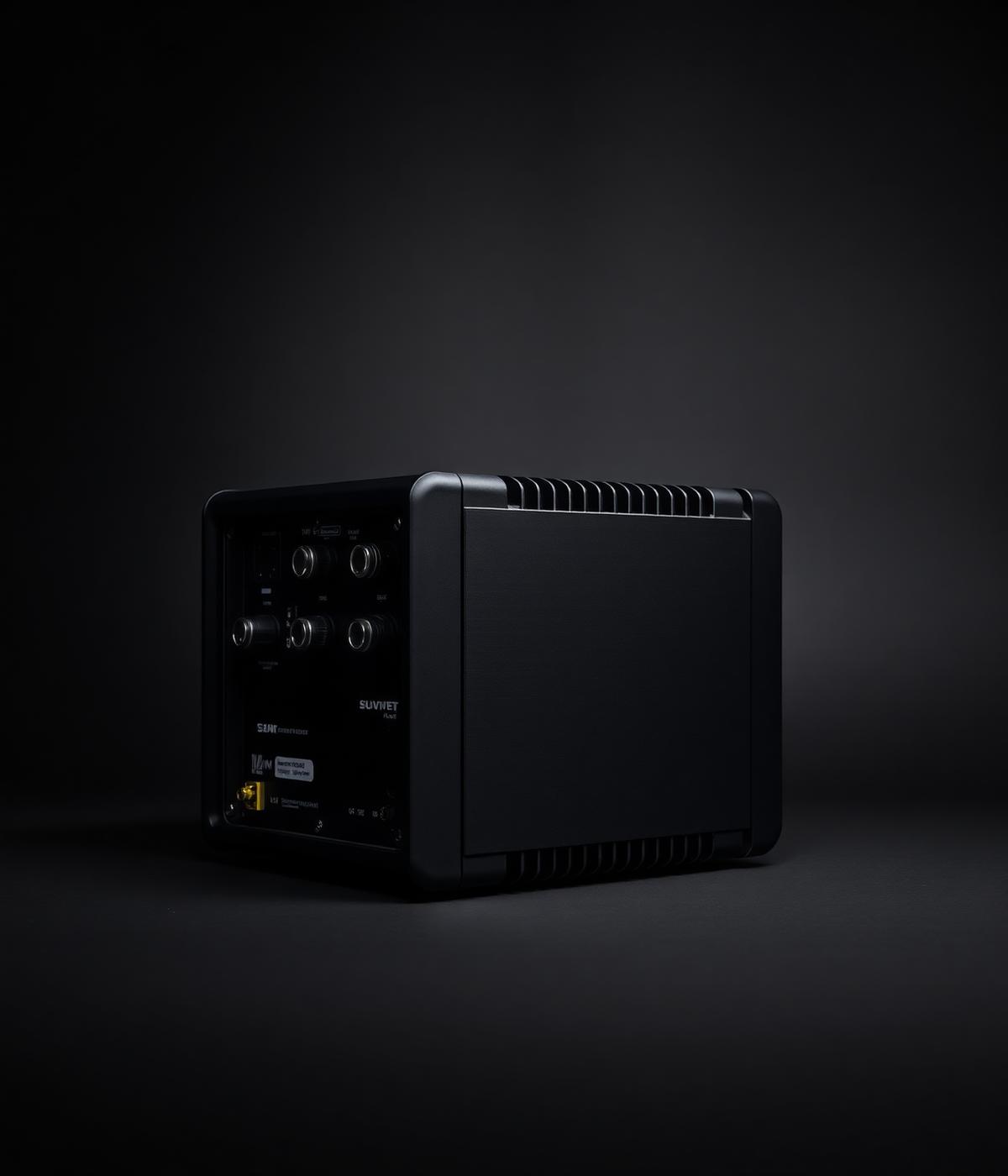
Defense & Complex Systems
Ergonomic product development for demanding environments and mission-critical systems.
Typical challenges
- Operation under stress, fatigue and degraded visibility
- Thermal, ingress and ruggedisation constraints
- Long product lifecycles and field serviceability
Design considerations
- Tactile differentiation of controls without visual confirmation
- Carry, mount and cable strategies designed around real deployment
- Design intent protected through ruggedised enclosure engineering
Users
Operators and field technicians who cannot afford ambiguity, working with gloves, in the dark, and often on the move.

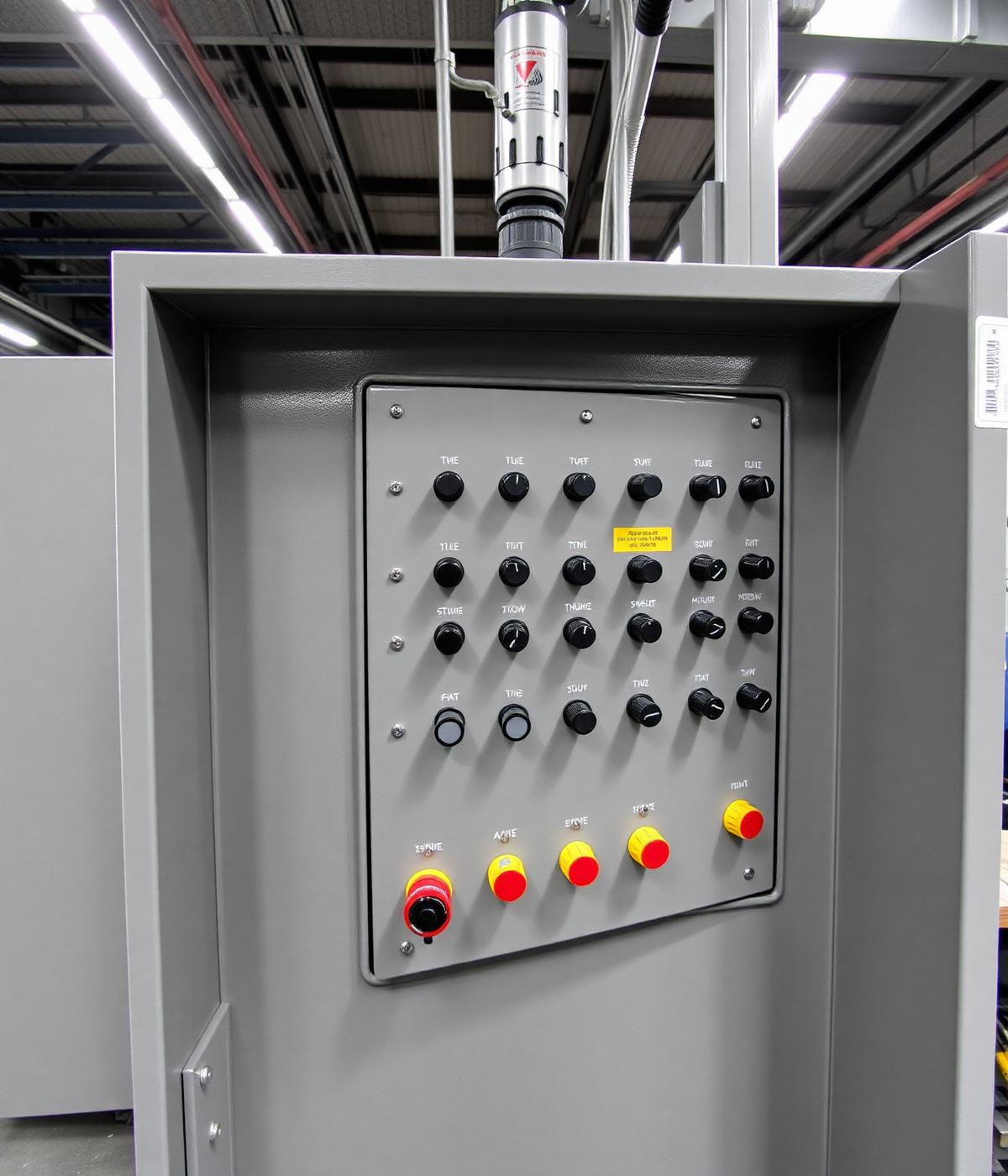
Scientific & Medical Instrumentation
Benchtop instruments and diagnostic platforms designed around usability, service and manufacture.
Typical challenges
- Precision hardware wrapped in a product people can actually operate
- Access for loading, alignment, calibration and service
- Cleanability, material compliance and perceived laboratory quality
Design considerations
- Task analysis feeding chassis architecture and control placement
- Ergonomics for repeated loading and adjustment sequences
- CMF selected for cleaning cycles and instrument-grade credibility
Users
Researchers, technicians and clinicians working to protocol, often with gloves, in constrained and shared spaces.
Mobility & Vehicles
Vehicle architecture, exterior design and human-centred packaging for specialist mobility.
Typical challenges
- Exterior form resolved against chassis, drivetrain and suspension hardpoints
- Ingress, egress, visibility and driving position
- Low-volume manufacturing economics and composite or sheet fabrication
Design considerations
- Proportion and stance developed as a whole, not as panels
- Occupant package validated on full-scale bucks
- Design intent protected through to production fabrication
Users
Drivers and operators who judge the product in the first three seconds — by how it looks, and by how it takes them.
Technology & Startups
Turning emerging technologies and concepts into manufacturable products.
Typical challenges
- Moving from a working technology to a producible product
- Cost, tooling and volume decisions made under uncertainty
- Investor-facing credibility before production exists
Design considerations
- Concepts sized against real electronics and mechanical volumes
- Prototypes built to answer specific questions, not to impress
- A production path defined before the design is frozen
Users
Early adopters, pilot customers and internal teams still discovering how the product will be used.
Start a conversation
Building
something
complex?
Bring N2N into the process early.
Tell us what you’re developing and where you need help.